Keywords: Temporomandibular joint dysfunction, TMD, temporomandibular joint, TMJ, Orofacial pain, mouth, joint pain, TMD joint pain, Migraine, chronic migraine, episodic migraine, severe migraine, neurology, diagnostic ultrasound, ultrasound, and headache.
A review completed earlier this month explains the several advantages that diagnostic ultrasound provides in dental and specialty dental practices. It is a non-invasive, inexpensive, painless method and unlike X-ray, it does not cause harmful ionizing radiation. Diagnostic ultrasound allows for visualization of muscle spasm, inflammation and post treatment comparison. If you are experiencing head pain or jaw pain, schedule an appointment for a consultation with Dr. Teruel at 480-945-3629. www.headpaininstitute.com
Marotti J, Heger S, Tinschert J, Tortamano P, Chuembou F, Radermacher K, Wolfart S.
Abstract:
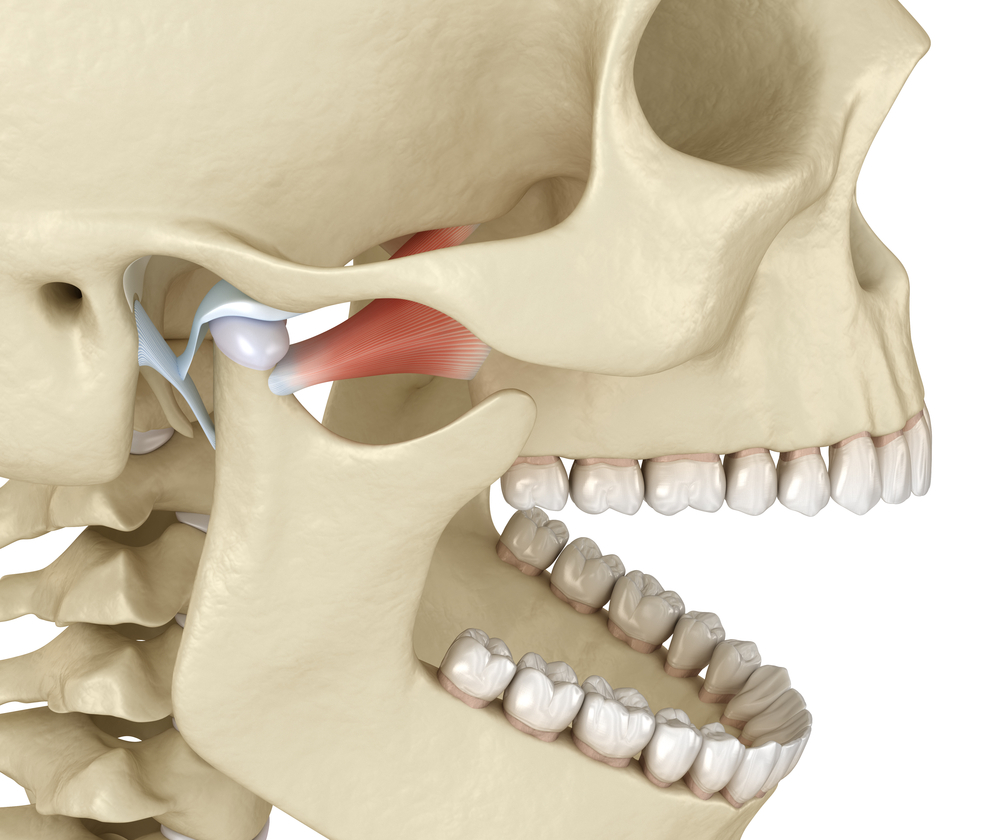
Ultrasonography as an imaging modality in dentistry has been extensively explored in recent years due to several advantages that diagnostic ultrasound provides. It is a non-invasive, inexpensive, painless method and unlike X-ray, it does not cause harmful ionizing radiation. Ultrasound has a promising future as a diagnostic imaging tool in all specialties in dentistry, for both hard and soft tissue detection. The aim of this review is to provide the scientific community and clinicians with an overview of the most recent advances of ultrasound imaging in dentistry. The use of ultrasound is described and discussed in the fields of dental scanning, caries detection, dental fractures, soft tissue and periapical lesions, maxillofacial fractures, periodontal bony defects, gingival and muscle thickness, temporomandibular disorders, and implant dentistry.